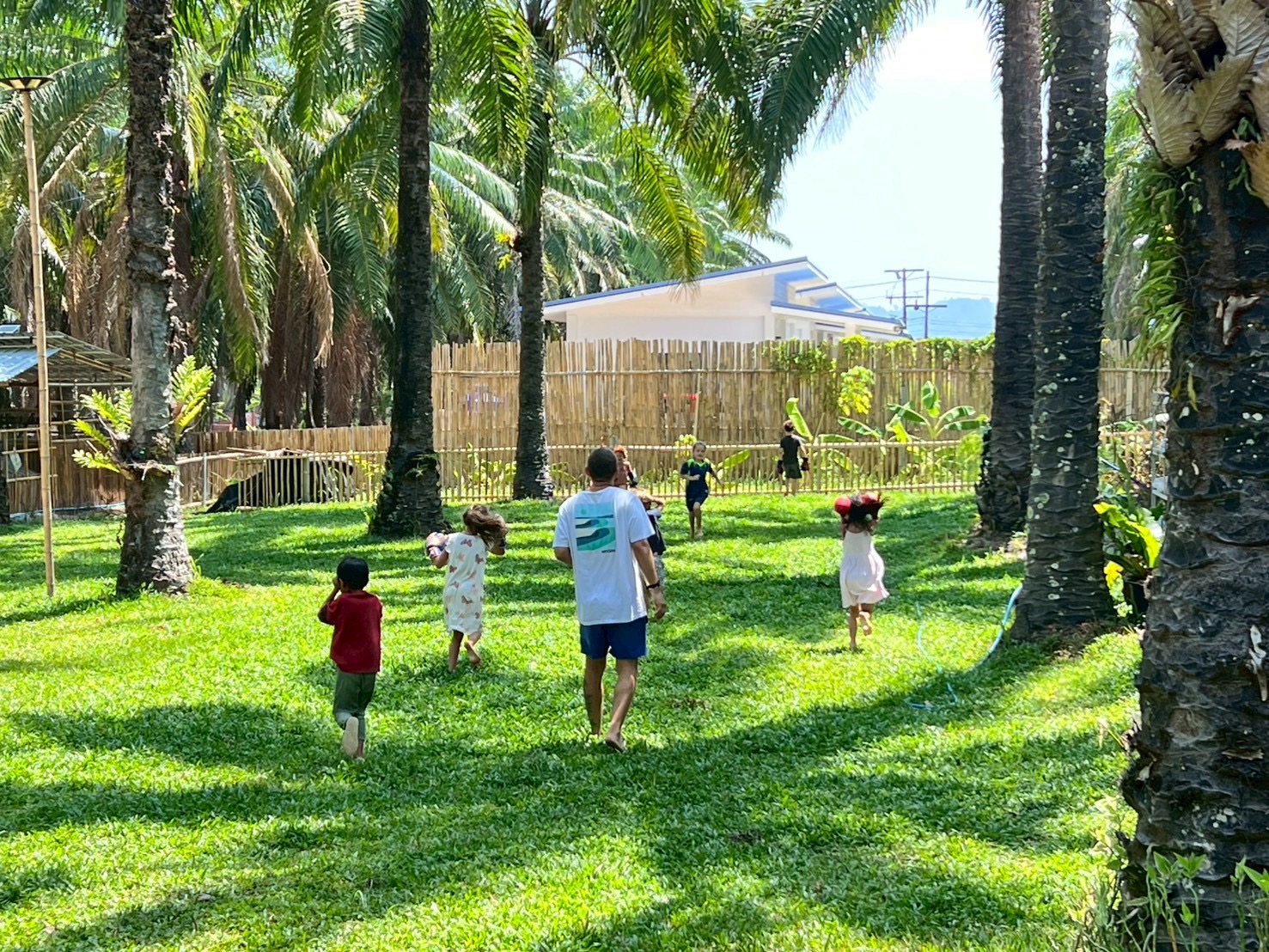
The Key Takeaway
Screens aren't just neutral entertainment — they actively shape the developing brain. But the biggest risk isn't screen exposure itself. It's what screens displace: face-to-face conversation, outdoor play, imaginative exploration. The things that actually build the brain.
You already know. That quiet feeling when your child has been watching a screen for too long and you hand them a book or suggest going outside — and they can't settle. They're restless, irritable, bored by everything that isn't a screen.
Most parents have felt this. And most parents carry a low-level guilt about it, without really knowing what the research actually says.
A recent BBC News investigation brought together neuroscientists and child development researchers to look at what screens genuinely do to young children's brains. Not the scare stories. Not the dismissals. The actual science. And the findings are worth understanding — especially if your children are still in those critical early years.
Watch: The BBC Investigation
This 12-minute BBC News documentary brings together brain scans, developmental research, and real families to show what's actually happening inside children's brains during screen use.
"What screens really do to your child's brain development" — BBC News
It's Not Really About Screen Time
The conversation around screens usually focuses on how many hours. But the researchers in this investigation make a different point: the real issue is what screens replace.
Every hour a young child spends passively watching fast-paced content is an hour not spent in face-to-face interaction, outdoor exploration, imaginative play, or conversation. And those activities aren't just nice-to-haves — they're the raw materials of brain development.
The problem isn't that screens are poison. It's that they crowd out the experiences young brains actually need to develop.
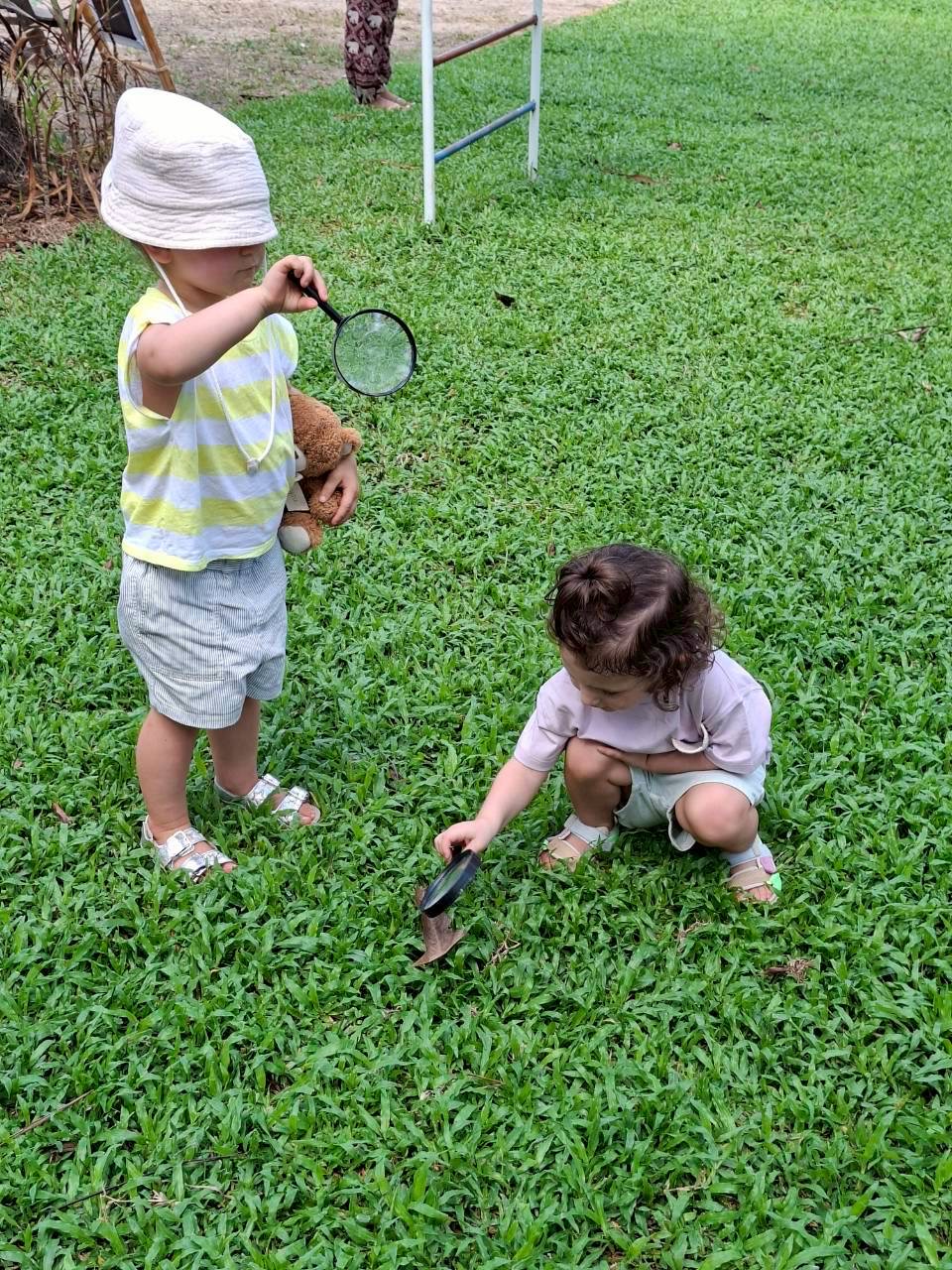
What replaces a screen matters more than the screen itself. Real exploration builds real neural pathways.
How Screens Reshape the Developing Brain
Young children's brains are extraordinarily sensitive to stimulation. They're building neural pathways at a pace they'll never match again. And the type of stimulation matters enormously.
Fast-paced, high-reward screen content — the kind that dominates YouTube and most children's apps — creates constant dopamine hits. The brain adapts. It starts to expect that level of stimulation. And when it doesn't get it, everything else feels slow, boring, frustrating.
This is why the child who's been watching videos can't sit with a book. It's not a character flaw. It's neuroscience. The brain has been trained to expect rapid-fire rewards, and a physical book simply can't compete.
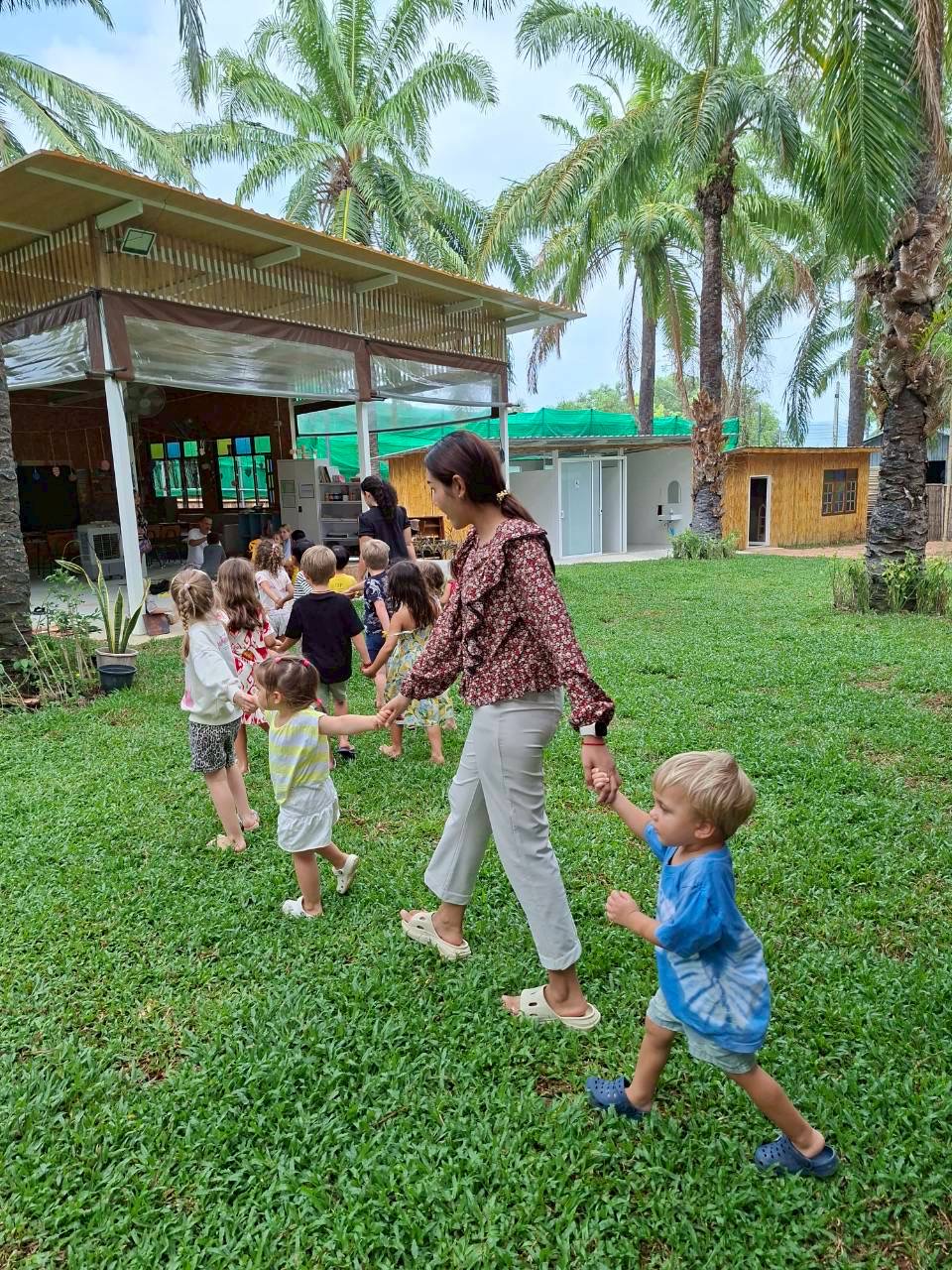
Joy from shared movement, rhythm, and connection — no dopamine loop required.
Language Development Needs Real Voices
One of the clearest findings in child development research: children learn language through interaction, not observation. A child watching someone talk on a screen processes language fundamentally differently than a child being spoken to by a real person.
Even the best "educational" screen content is far less effective than ordinary conversation for building vocabulary, comprehension, and communication skills. Storytelling, singing, answering questions, narrating daily life — these simple human interactions do what no screen can replicate.
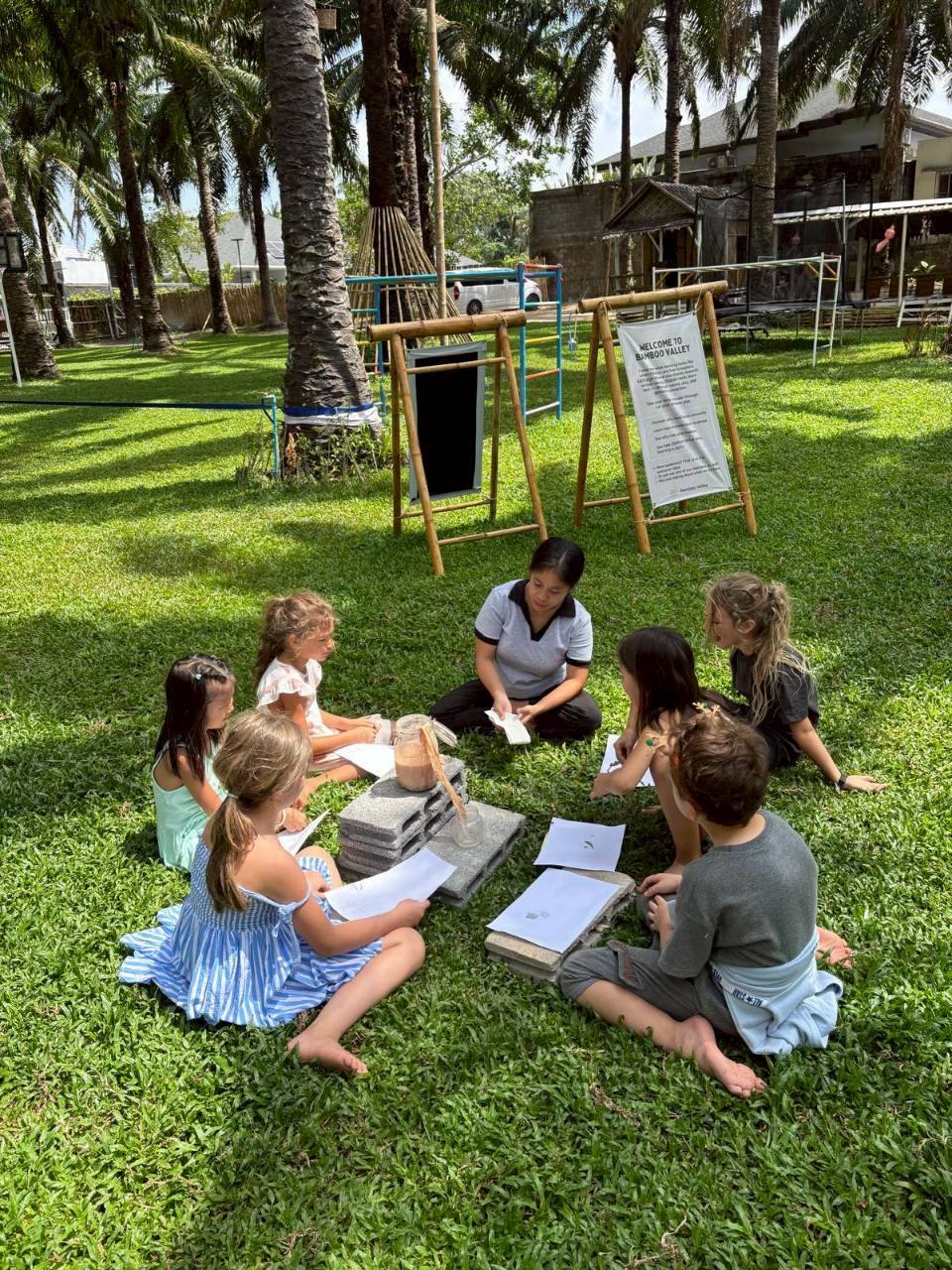
Language develops through real human voices, real stories, real conversation.
Sleep, Behaviour, and the Feedback Loop
Screen use — especially in the hours before bedtime — disrupts sleep in young children. The blue light, the stimulation, the difficulty transitioning from screen world to the quiet needed for sleep. Poor sleep leads to worse behaviour the next day: more irritability, shorter attention, lower frustration tolerance.
And here's where it becomes a cycle: a tired, irritable child is harder to engage. So the screen comes out again. It's not bad parenting — it's an understandable response to a difficult situation. But the research is clear that breaking this cycle early makes a significant difference.
Not All Screen Use Is Equal
The research doesn't say all screens are equally harmful. There's a spectrum. Passive, fast-paced content where children sit and absorb — that's the worst. But co-watching a calm, story-based show with a parent and talking about it together? That's a completely different experience.
The key factors that make screen use less harmful: slower pacing, story-based content, a real person watching alongside, and active conversation about what's happening. If you're going to use screens, these choices matter.
Current Expert Guidelines
What We See Every Day
We didn't build Bamboo Valley because of a study about screens. We built it because we're parents ourselves, and we could see what our children needed: space, nature, real human connection, and time to be bored enough to become creative.
But the research confirms what we observe daily on our campus. When children spend their days outdoors — exploring grass with magnifying glasses, building in mud, climbing bamboo structures, singing in a circle under palm trees — something happens that no screen can replicate.
Move children outdoors and something magical happens: they collaborate, create, find ways to play together with natural materials. Energy that was destructive indoors becomes focused and productive.
Our campus is 5,600 square metres of palm forest. No screens. No artificial stimulation. Just grass, trees, mud, animals, and a team of teachers who believe that childhood should feel like childhood.
Nature exploration with magnifying glasses — real discovery, real focus
The children here don't need to be entertained. They've learned to entertain themselves — and each other. That's not a small thing. In a world designed to capture attention, the ability to generate your own focus, your own joy, your own ideas — that might be the most important skill we can give them.
This Isn't About Judgement
Every parent uses screens sometimes. Life is complicated, days are long, and perfection isn't the goal. The point of this research isn't to add to parental guilt — it's to help us make more informed choices about when, how, and how much.
If you're reading this and thinking about what your child's daily environment looks like — what fills their hours, what feeds their brain — that's already a good sign. The fact that you're asking these questions means you care deeply. And that's the most important ingredient of all.
Sources & Further Reading
- BBC News (2024). "What screens really do to your child's brain development"
- World Health Organization (2019). Guidelines on physical activity, sedentary behaviour and sleep for children under 5
- American Academy of Pediatrics (2016). Media and Young Minds — Policy Statement
- Hutton, J.S. et al. (2020). JAMA Pediatrics. Associations Between Screen-Based Media Use and Brain White Matter Integrity in Preschool-Aged Children
Bamboo Valley is a nature-based school in Cherngtalay, Phuket, Thailand. We serve children ages 2–12 and their families. This article reflects research available as of April 2026.
Curious About Screen-Free Learning?
Come see what a day without screens looks like. Walk through our palm forest campus, meet the teachers, and watch the children play.
Chat with Us on WhatsApp