“The end, for all parents globally, everyone we've talked to, is a future for their children where they are happy, healthy, financially stable, have deep and lasting relationships, and are able to achieve the goals they have set out for themselves.”
The research points the same way. In James Heckman's preschool study, which followed children for forty years, the IQ gains had faded by third grade, yet up to two-thirds of the lifetime benefit came from curiosity, self-control, persistence and getting along with people.
In New Zealand's Dunedin study, self-control measured at age three predicted health, income and stability at thirty-two, independent of IQ and family wealth. And self-discipline at twelve predicts academic results more than twice as strongly as IQ does.
These qualities don't compete with academics. They produce them.
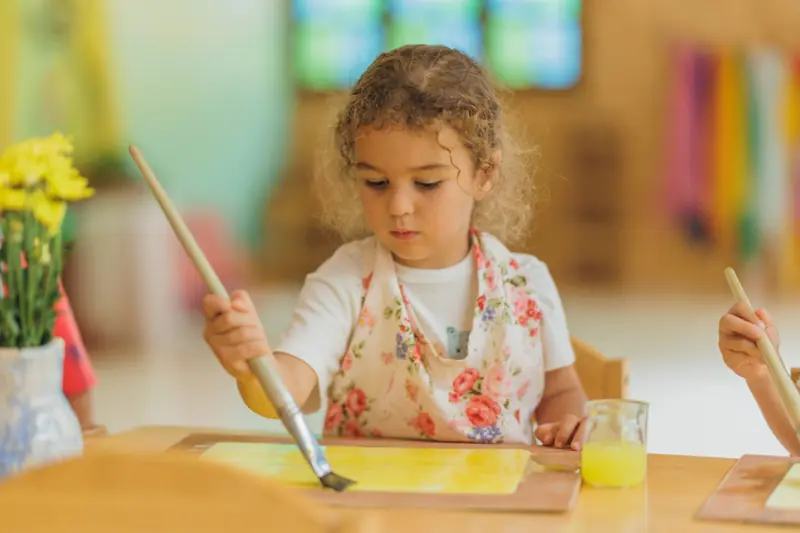
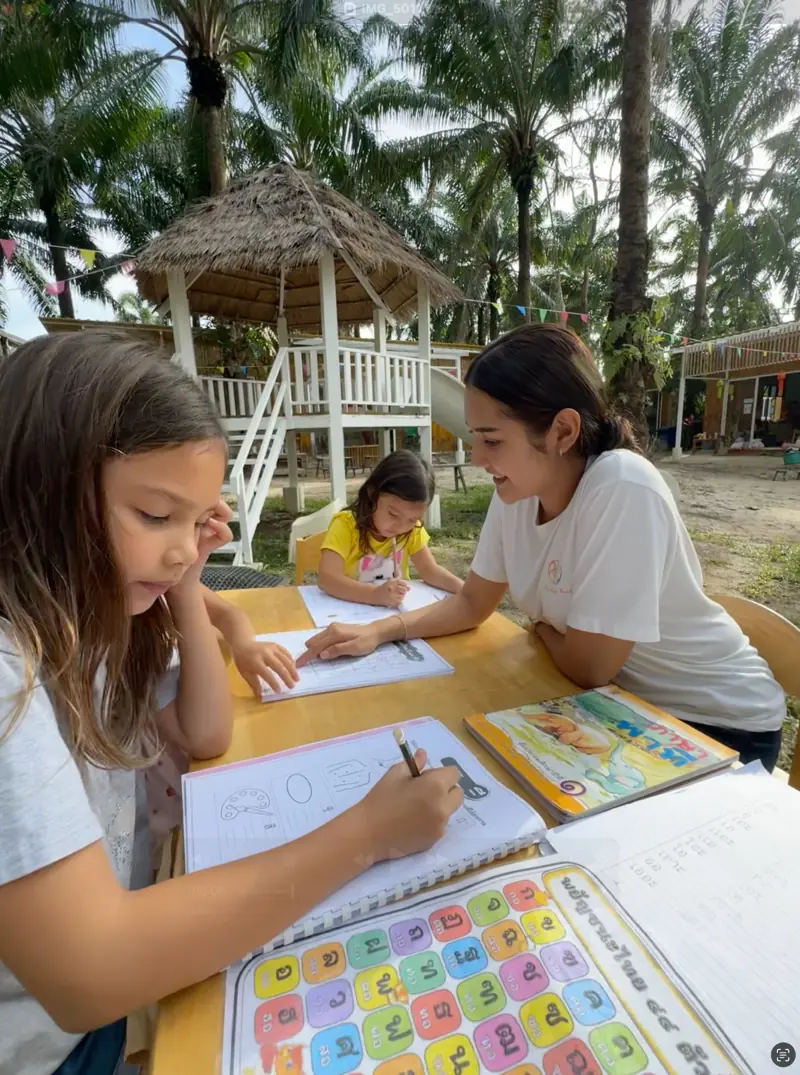
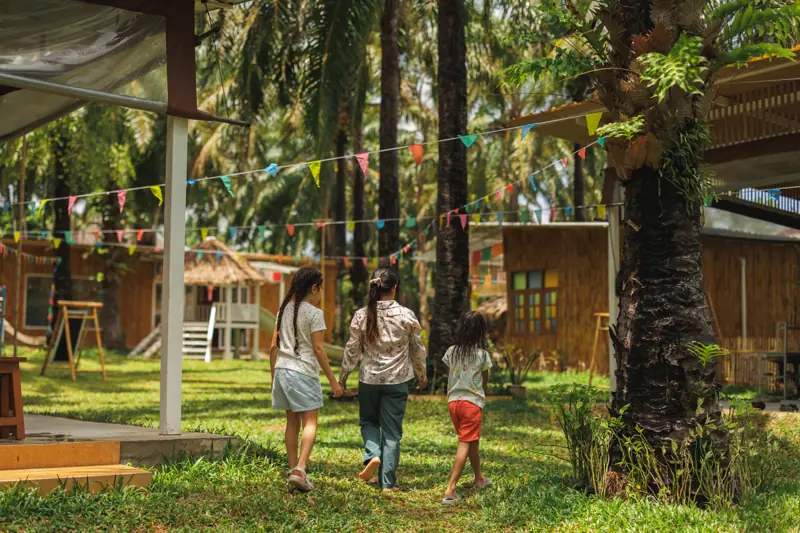
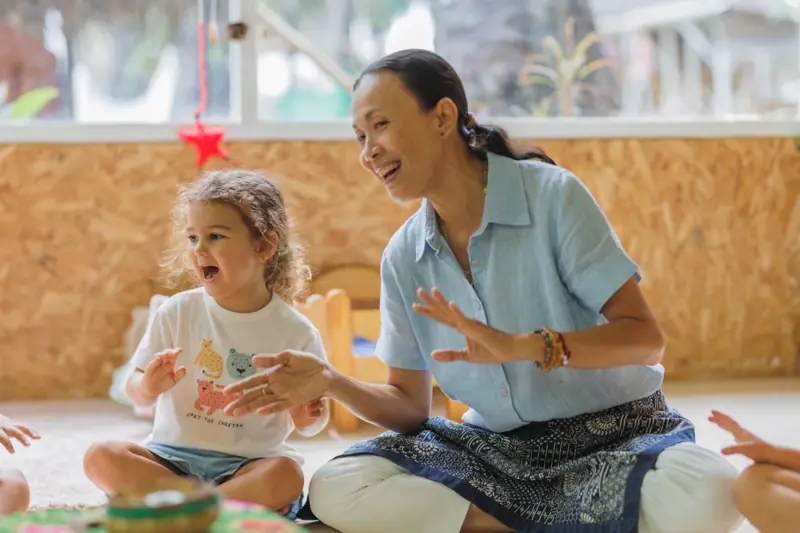
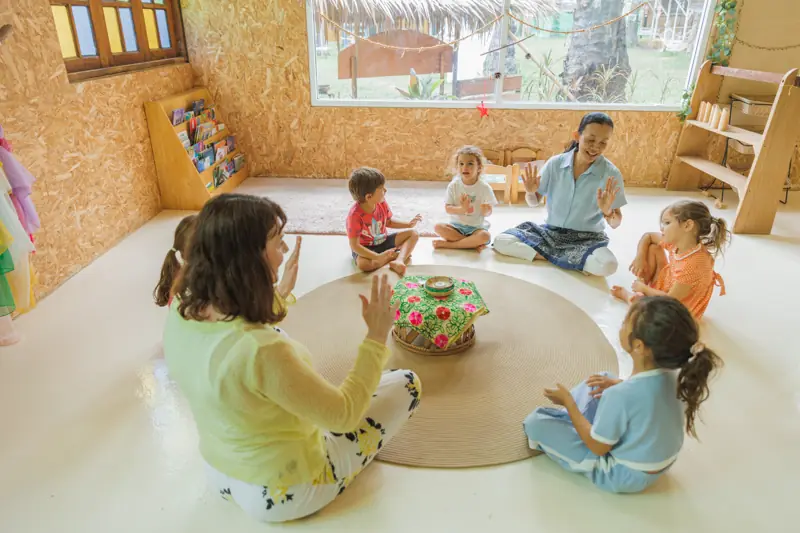
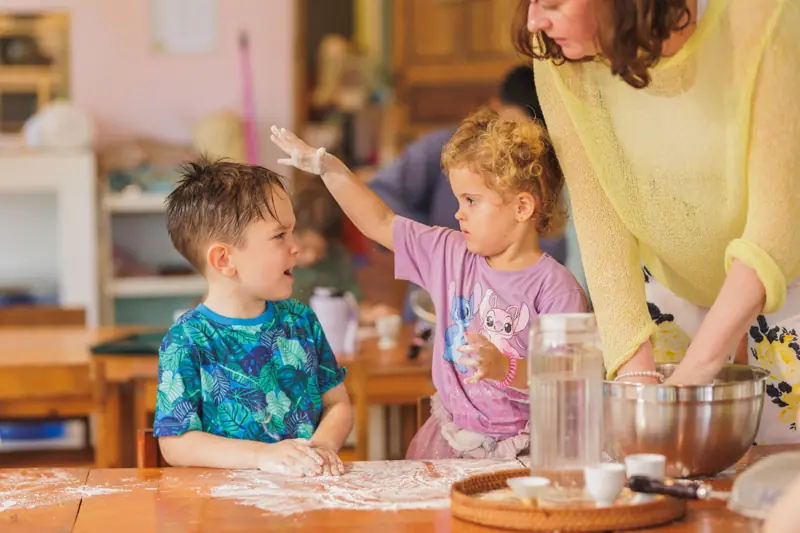
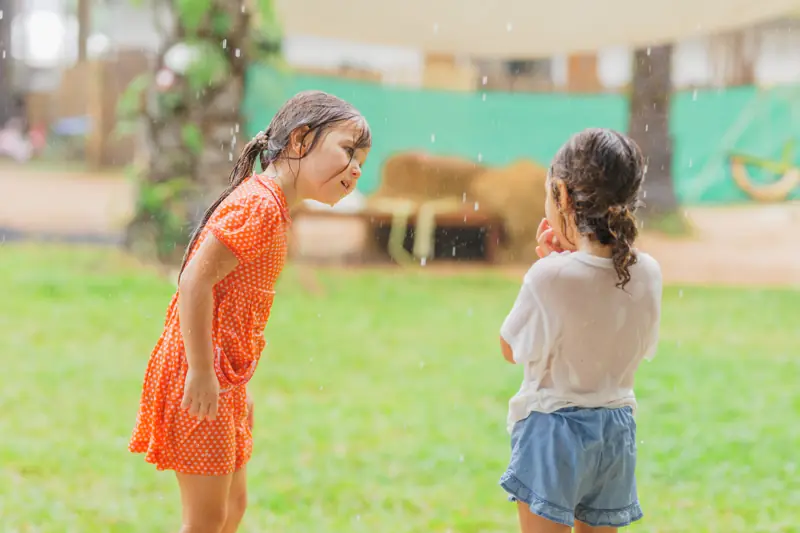
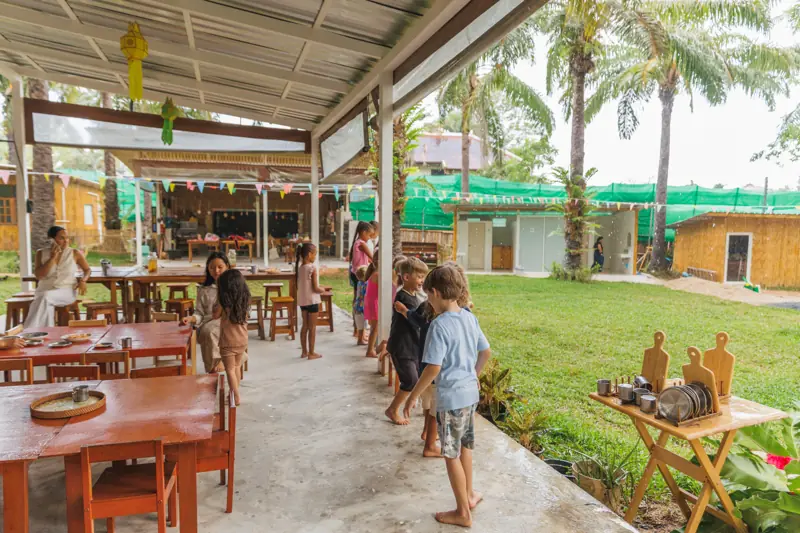
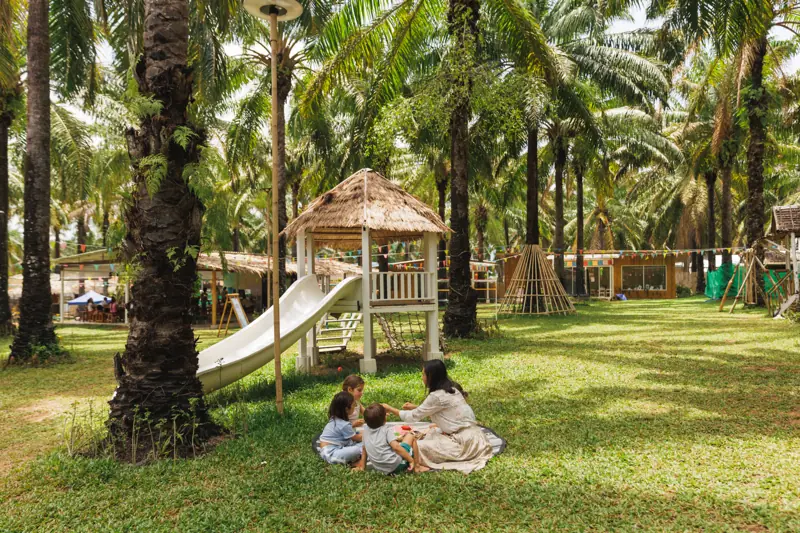
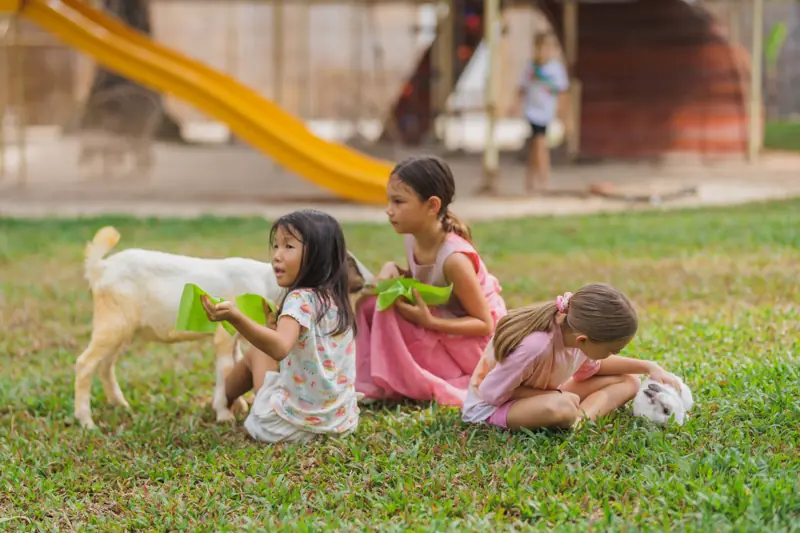
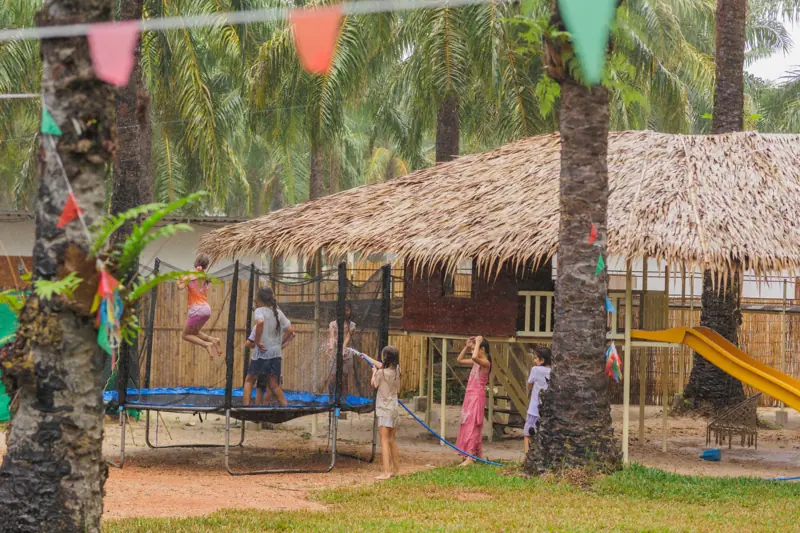
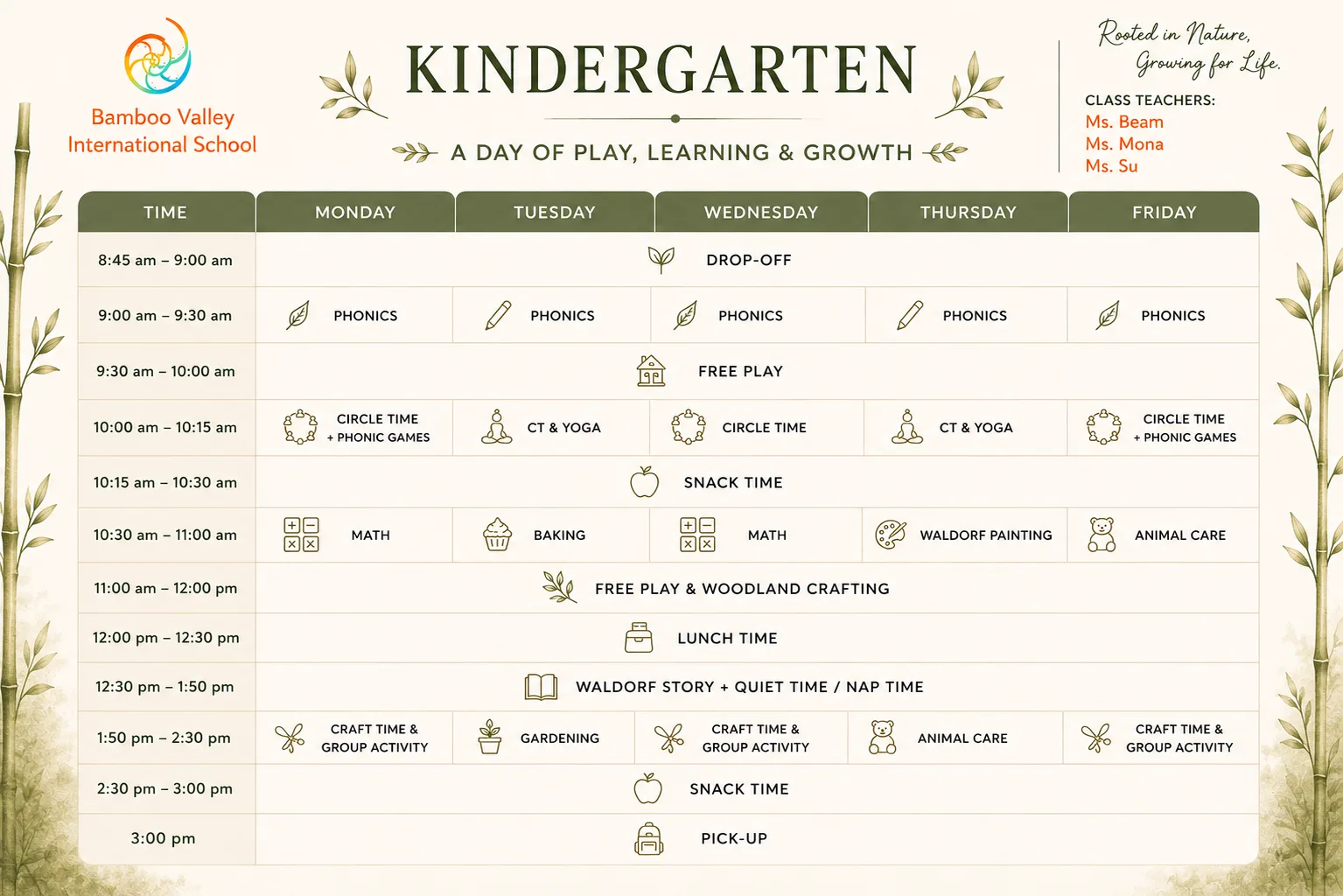
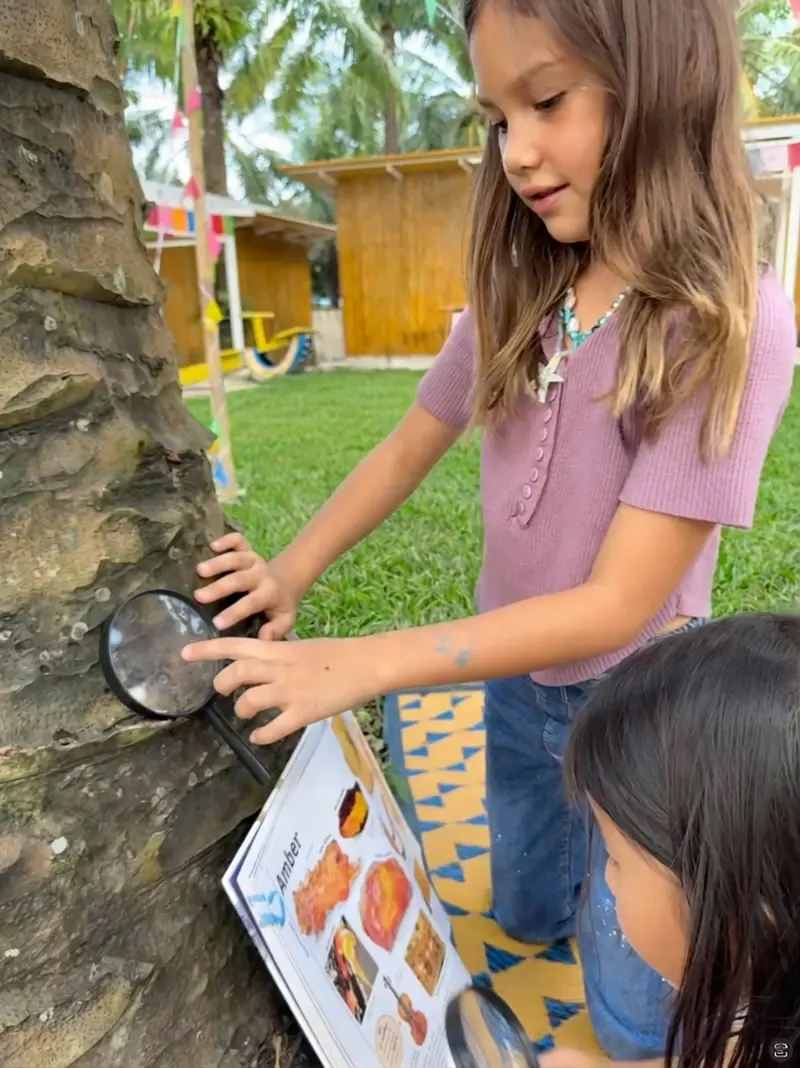
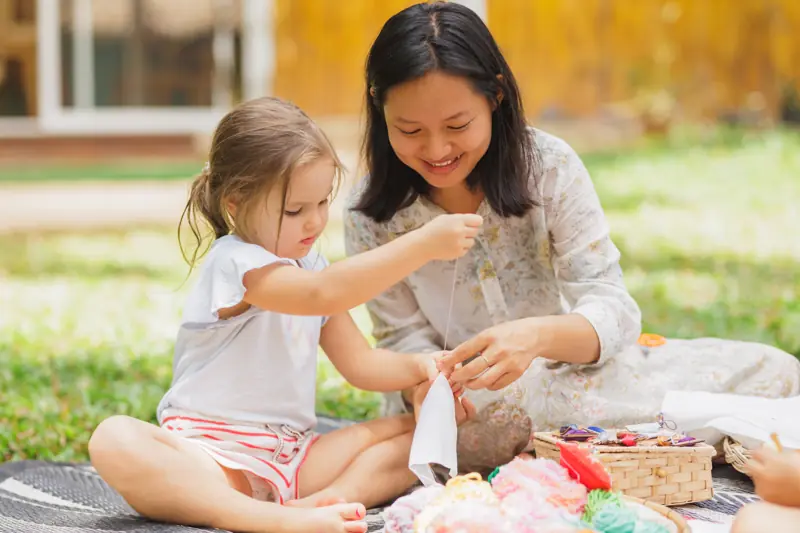
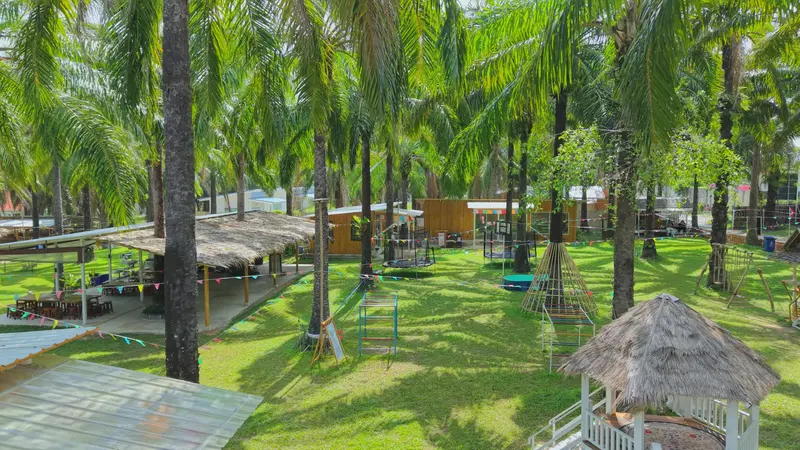
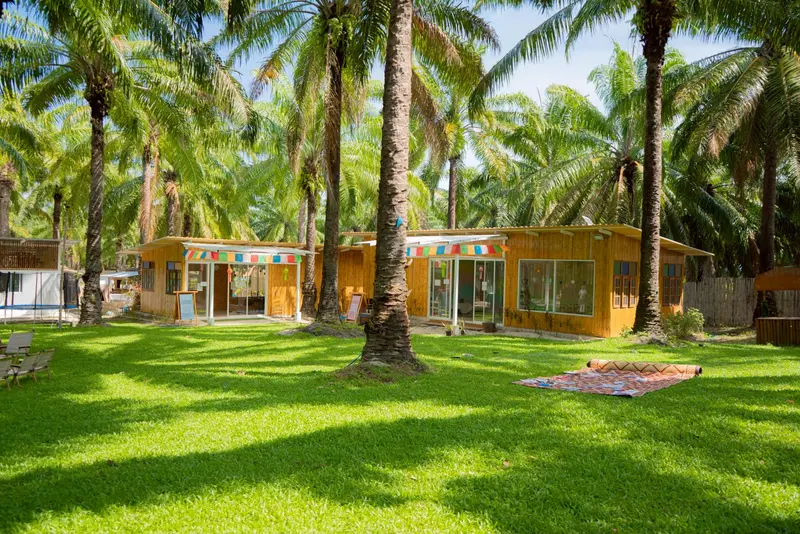
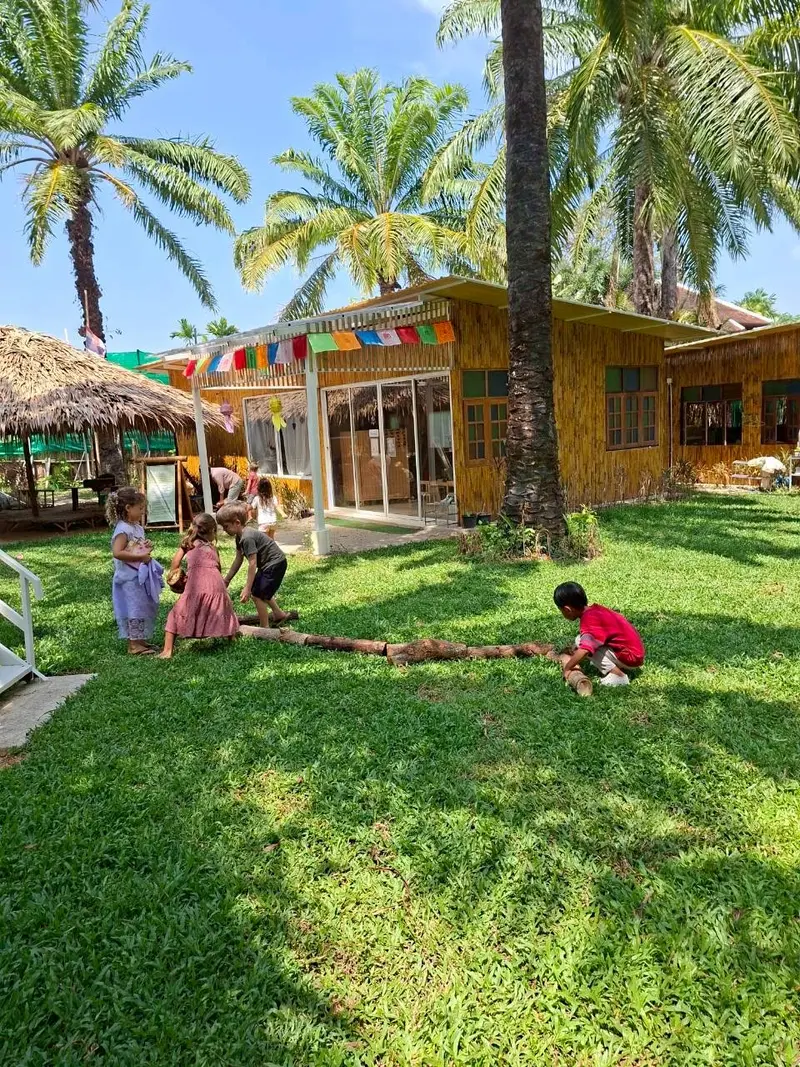
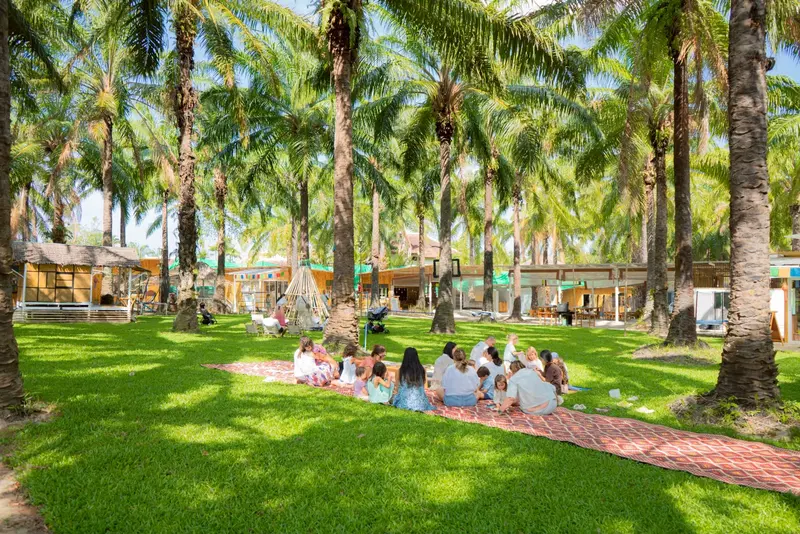
So that is how the day is built: long stretches of free play, a campus where children start their own projects and stay with them for hours, and in primary a weekly lesson in handling feelings and getting along. In kindergarten it's woven into every day, and we're strengthening it into a dedicated programme.